


The Role of Corporate Bonds in Diversifying Your Investment Portfolio
Diversification is a fundamental investing strategy element that reduces risk while increasing return possibilities. Among the different financial instruments available, corporate bonds are critical to building a well-balanced investment portfolio.
This article digs into the complexities of corporate bonds, discussing their characteristics, benefits, risks, and effective investment strategies.
Understanding Corporate Bonds
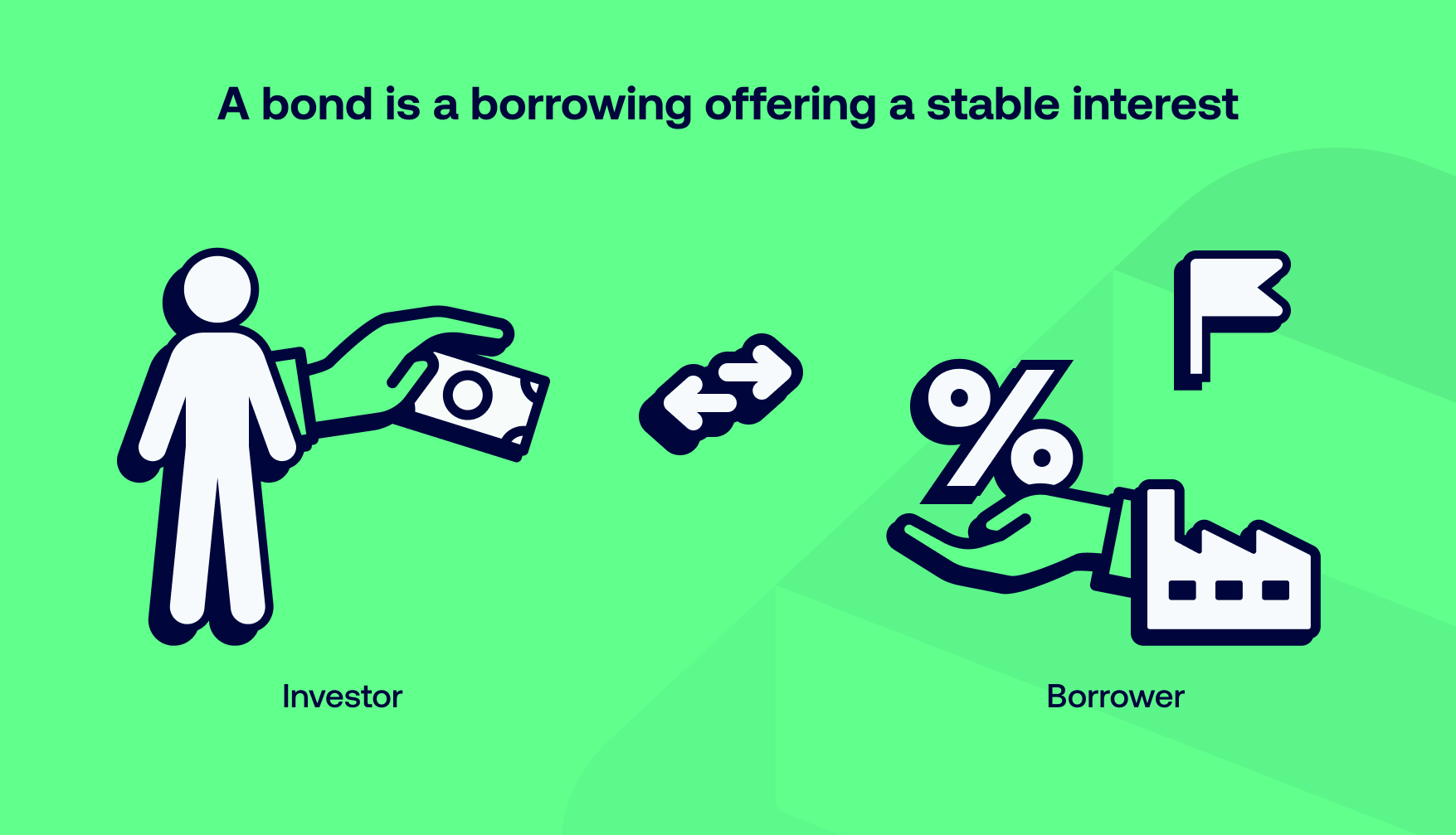
Corporate bonds are debt securities issued by companies to raise funds. When investors buy these bonds, they lend money to the issuing corporation in exchange for periodic interest payments and the return of the principal amount when the bond matures. Unlike stocks, which reflect ownership in a corporation, these are simply IOUs that create a debtor-creditor relationship between the bondholder and the issuer.
Key Features of Corporate Bonds
Maturity Date: This refers to the duration of time until the bond matures and the principal is repaid. Maturities can last from a few months to several decades.
Coupon Rate: The set interest rate paid by the bond issuer to the bondholder, usually semi-annually.
Credit Rating: Credit ratings are issued by agencies such as CRISIL, ICRA, CARE and Acuite Ratings & Research Ltd. to assess the creditworthiness of the issuing company and indicate the risk of default.
Types of Corporate Bonds
These bonds can be classified based on various criteria, each offering different benefits and risks:
Maturity-Based Classification
Short-Term Bonds: These bonds have a maturity of fewer than 3 years. They provide lower interest rates while increasing liquidity and reducing exposure to interest rate risk.
Medium-Term Bonds: Bonds having maturities ranging from 4 to 10 years, offering a mix of yield and risk.
Long-Term Bonds: Bonds with maturities longer than 10 years provide higher returns but are more susceptible to interest rate swings.
Credit Quality-Based Classification
Investment-Grade Bonds: These bonds, issued by corporations with high credit ratings, have a lower default risk and are therefore regarded as safer investments.
High-Yield Bonds (Junk Bonds): Bonds issued by corporations with weaker credit ratings have higher yields to compensate for the increased risk of default.
Interest Payment Structure
Fixed-Rate Bonds: Bonds that pay a set interest rate over their entire tenure, resulting in predictable cash flows.
Floating-Rate Bonds: Bonds with interest rates that adjust periodically depending on a predetermined benchmark, providing protection against interest rate swings.
Zero-Coupon Bonds: Bonds are sold at a discount to their face value and do not provide periodic interest payments. At maturity, investors receive the face value, which results in a capital gain for them.
Special Features
Convertible Bonds: Bonds that can be exchanged into a specified number of shares of the issuing company’s common stock, with potential for profit if the company’s stock price rises.
Secured vs. Unsecured Bonds: Secured bonds are backed by specified collateral, resulting in lower risk, whereas unsecured bonds (debentures) rely on the issuer’s creditworthiness, potentially yielding larger returns.
Callable Bonds: Bonds that the issuer can redeem before maturity, typically as interest rates fall, allowing the issuer to refinance at a reduced cost.
Benefits of Investing in Corporate Bonds
These bonds offer several advantages that make them attractive for diversifying an investment portfolio:
Stable and Predictable Income: Corporate bonds make monthly coupon payments, providing a steady source of revenue. This might be especially useful for income-focused investors, such as retirees looking for consistent cash flow.
Capital Preservation: These bonds are generally regarded as less volatile than stocks. While there is always a chance of default, higher-rated bonds provide a higher level of capital preservation than stocks.
Frequently Asked Questions
What are the key takeaways from this article?
Diversification is a fundamental investing strategy element that reduces risk while increasing return possibilities. Among the different financial instruments available, corporate bonds are critical to building a well-balanced investment portfolio.
Who should read this article?
This article is designed for retail investors, first-time bond buyers, and anyone looking to understand fixed income investments in India.
How does this relate to my investment portfolio?
Understanding these concepts helps you make informed decisions about asset allocation and build a diversified investment portfolio.


